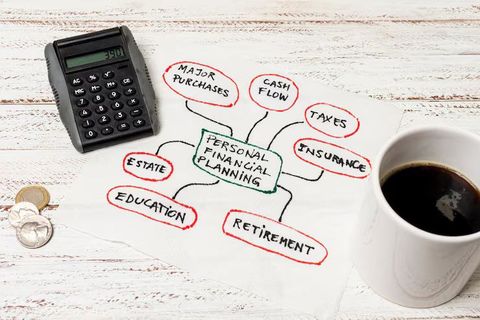
Long-Term Investment Planning Explained: Wealth Building Strategies & Financial Growth Solutions
Long-term investment planning is the process of managing money and financial resources over an extended period with the goal of supporting future financial stability and gradual wealth growth. It involves setting financial objectives, understanding different investment categories, managing risk, and maintaining a structured financial approach over many years. Long-term planning is commonly associated with retirement preparation, education funding, business expansion, property ownership, and financial security.
Backed by growing banks, stock exchanges, and plans for life after work, holding investments over years took shape slowly. With bigger economies and easier access to trading, both people and organizations started shaping how they save, aiming beyond now. These days, putting money aside for later unfolds through many tools - digital apps join funds, bonds, even automated tracking - all working quietly beneath choices made today.
Common areas included in long-term financial planning are:
- Equity and stock market investments
- Bonds and fixed-income instruments
- Mutual funds and index funds
- Retirement savings plans
- Real estate investments
- Diversified portfolio management
Over years, money often grows better when left steady instead of chasing quick wins. One way to look at investing: it’s less about speed, more about staying power. Stability tends to matter just as much as returns when planning ahead. Choices today shape what happens down the road, whether we notice or not. Slow progress builds up quietly, away from sudden swings. Plans that last usually mix caution with realistic goals. Results come from patience, not perfect timing. Risk doesn’t disappear - it gets shared across seasons. Time changes how numbers behave, favoring those who wait. Consistency speaks louder than bursts of luck.
Importance
Most people look ahead when handling money, simply because life brings shifts that need foresight. A steady approach to saving guards against surprises like job loss or medical bills. When retirement comes into view, having a plan means less worry about daily costs. Kids’ school fees add up fast - being ready softens the blow. Income goes up and down; preparation keeps balance through uneven years.
Money Security and Thinking Ahead
Years stretch ahead, shaping how people manage money when they think beyond today. Future moments like buying homes or retiring grow clearer with steady saving habits in place. Uncertainty fades a bit when plans outline what comes next financially. Big purchases become less overwhelming if preparation starts early.
Examples of long-term financial objectives include:
Financial Goal Retirement Planning Education Funding Property Ownership Emergency Preparedness Business Expansion Purpose Future income support Academic expenses Asset development Financial stability Capital management Common Planning Approach Diversified investment portfolios Long-term savings plans Structured investment growth Reserve fund planning Multi-year investment strategies
Sticking to a plan matters when saving money, especially if you want results later. One step at a time builds progress, even when it feels slow. Patience shows up most where effort repeats without pause.
Handling Rising Prices and Shifting Economies
Money might buy less later because prices go up over time. Growing savings slowly could match how much things cost in years ahead, so plans are made to handle shifts in the economy.
Investment planning may involve:
- Diversified asset allocation
- Risk management strategies
- Periodic financial reviews
- Balanced investment categories
Some ways to invest get picked once someone knows their money goals, yet comfort with risk plays a big role too. How people handle loss often shapes choices more than expected returns ever do.
Help for Older People and Those Retired
Life stretches longer these days, so more nations struggle with how people will retire. Because careers shift fast now, saving ahead makes a difference later on. Money set aside early covers doctor visits down the road. Homes still need payments when work stops. Income must keep flowing somehow after jobs end.
Retirement planning often includes:
- Pension-related investments
- Retirement savings accounts
- Long-term portfolio diversification
- Income distribution planning
Wealth Keeps Families Stable Over Time
Over time, handling money wisely can help look after what a family owns, while preparing who gets what later on. Certain families set up investing methods meant to keep wealth steady through the years.
Wealth Building Strategies
Starting strong means thinking ahead about how money grows when handled with care. Depending on your pay, goals, or what's happening in the economy, different paths make sense - some faster, others steadier. What works now might shift later, simply because life rarely stays still.
Diversified Investment Portfolios
Putting money into various kinds of assets helps lower the risk tied to one area of the market. A mix spreads out what could go wrong in just one place.
A diversified portfolio may include:
- Stocks and equities
- Bonds and fixed-income investments
- Real estate assets
- Commodity-related investments
- Cash reserves
Fine tuning a mix of assets often helps ease money-related dangers while bringing steadier footing to investments. Though spreading things out isn’t magic, it tends to soften blows when markets shift unpredictably.
Systematic Investment Approaches
Now here's a way people invest: they put in the same amount at set times. Because of this rhythm, sudden market swings might matter less. What happens is steady pacing softens quick changes in value.
Common methods include:
- Monthly investment contributions
- Retirement savings allocations
- Automated portfolio deposits
- Long-term compounding strategies
Sticking to a routine tends to matter when thinking about money over many years.
Risk and Time Horizon Management
As people grow older, their approach to investing often shifts - shaped by what they must pay for, how much risk feels right, along with how soon they might need the money.
Examples include:
- Higher-growth portfolios for longer investment periods
- Conservative allocations near retirement
- Balanced asset distribution during uncertain markets
Facing uncertainty shapes how money choices get made. How people handle danger guides their future steps.
Passive Versus Active Investing Approaches
Some who hold investments for years pick how they manage their money. One path waits while markets move on their own. The other tries to beat those movements by making moves. Each way has its believers. Time often decides which feels right.
Passive strategies often involve:
- Index fund investing
- Broad market exposure
- Lower portfolio turnover
Active strategies may involve:
- Market analysis
- Sector allocation changes
- Individual asset selection
Some ways of investing shift based on what a person wants or needs money-wise. A method might change when goals differ or priorities adjust over time.
Financial Growth Solutions
Starting strong, some ways to grow money involve strategies that help manage cash over time. Ways like tracking income often pair with smart saving habits instead of risky bets. A clear plan usually works better than guesswork when building stability later on. Tools appear helpful once routines form without pressure. Systems tend to stick around if they actually fit how someone lives day to day.
Retirement Savings Systems
Some money setups offer special accounts meant to grow slowly over years, built around life after work.
These may include:
- Employer-sponsored retirement plans
- Pension-related savings accounts
- Individual retirement investment structures
Some nations handle retirement one way; banks elsewhere might do it completely different. What works in one place may not fit another at all.
Digital Investment Platforms
From phones to laptops, tech opens doors to tools once locked away. Right there on screen, tracking money moves becomes something anyone can do. Watching how markets shift? That happens with clicks now, not calls. Plans get shaped online - no paper, just updates flowing through wires. What used to take weeks fits into minutes, tucked between daily tasks.
Common platform functions include:
- Portfolio tracking
- Asset allocation analysis
- Financial planning calculators
- Investment performance monitoring
Financial Education Resources
Starting with basics, educational platforms guide people through smart money choices over time. Meanwhile, finance workshops explain how mixing different investments works. Some tools show what happens when you plan ahead carefully instead of reacting fast. Learning step by step makes complex ideas feel clearer later on.
Topics often include:
- Risk management
- Asset diversification
- Retirement planning
- Budget organization
- Financial goal setting
Estate and Asset Planning
Future money plans might involve setting up property details along with how belongings get shared later on. A slow build of wealth can mean organizing documents that guide where things go when needed down the road.
Recent Updates
From 2024 into 2026, shifts in how people plan for the future took shape - not just because of apps or tools, but also due to new rules shaping money decisions alongside a growing understanding of personal finance. Yet it wasn’t only about access; deeper knowledge began influencing choices over time. Meanwhile, digital platforms quietly reshaped habits without fanfare. Alongside that, government moves affected what strategies made sense. On top of everything else, more individuals started seeing value in thinking ahead.
Rise of Online Money Services
Investment management platforms increasingly use automated portfolio tools and mobile-based financial monitoring systems.
Recent developments include:
- AI-supported portfolio analysis
- Automated investment allocation
- Real-time financial tracking
- Digital retirement planning tools
With these tools, more people can view financial data along with handle investments. Access grows easier when features open up beyond a few users.
More Investors Choose Eco Friendly Options
Fresh attention keeps landing on eco-minded investing when people talk about saving for later. While money choices stretch ahead, green priorities tag along more each year.
Investment areas receiving attention include:
- Renewable energy industries
- Sustainable infrastructure
- Environmental technology sectors
- Social responsibility investment funds
Retirement Readiness Takes Priority
Now more than ever, people are thinking ahead about how money works in later years because jobs shift and the future feels less steady. With pensions fading and paychecks unpredictable, handling savings wisely has become a quiet priority.
Teaching Money Basics and Smart Financial Choices
Still growing, budgeting initiatives now reach deeper into schools thanks to government backing. Financial know-how spreads further as banks team up with learning centers. Investment basics take root slowly through workshops shaped by policy shifts. Awareness stretches ahead when these efforts link together behind the scenes.
Laws or Policies
Fiscal rules shape how people plan ahead with money, while taxes play a part in shaping choices over time. Retirement systems add another layer to the picture, nudging decisions in certain directions. Legal safeguards for investors also weigh in, quietly guiding behavior. Together, these forces set the backdrop for long-range financial thinking.
Investment Market Regulations
Most financial markets operate under rules meant to encourage openness while cutting down on dishonest practices in investing setups.
Regulatory areas may include:
- Securities market oversight
- Investment disclosure requirements
- Brokerage compliance standards
- Financial reporting rules
Retirement and Pension Policies
Retirement plans take shape under rules shaped by government decisions, affecting how people prepare financially over time. Though policy sets the stage, individual outcomes shift based on how laws guide saving habits years ahead.
Policies may involve:
- Retirement contribution structures
- Pension system management
- Tax-related retirement rules
- Employer participation requirements
Consumer Financial Protection
Nowhere near every detail is left unwatched when money guidance meets rules meant to keep investments clear. Rules shape how advice gets shared, especially if products are involved. Clarity matters most when trust begins to build around choices people make. What shows up in documents can change how decisions unfold over time. Protection isn’t just a backdrop - it weaves into each step taken forward.
Tools and Resources
Tools online help manage money over time, while apps track how investments grow. One thing leads to another when savings meet strategy. Planning ahead becomes easier with alerts that guide choices. Some platforms show progress step by step. Others link accounts so everything appears together. Money moves where tracking stays clear.
Investment Calculators
Picture your money growing over time - tools like financial calculators give a rough idea of how retirement funds might stack up. These numbers sketch out what could happen if you keep saving steadily year after year. Peek into possible outcomes by tracking how investments behave across decades.
Calculating stuff is what these tools might do
- Compound growth estimates
- Retirement savings targets
- Inflation-adjusted projections
- Asset allocation models
Portfolio Tracking Platforms
Folks find it easier to track money when tools put everything in one place. Over days, watching how funds grow becomes routine through these screens.
Features may include:
- Investment dashboards
- Market performance tracking
- Asset allocation summaries
- Financial reporting tools
Financial Education Platforms
Some sites about learning include details on how money works, like saving, picking investments, or getting ready for life after work. Others mix lessons on managing cash with tips for handling different kinds of accounts over time.
FAQs
What is long-term investment planning?
Years stretch ahead when money moves slowly, shaped by choices made today. Goals rise into view through steady shifts in how savings grow. Time bends around decisions that build value bit by bit. Future needs whisper in the way funds are placed now. Growth hides in patience, not speed. Plans hold shape only if they adapt without breaking. Wealth shows up quietly where effort stays consistent.
Why are wealth building strategies important?
Starting with small steps, wealth grows when people handle money wisely. Risk drops sharply once spending aligns with long-term goals. Future costs like school bills or buying a home become easier to cover over time. Saving smart makes big life moments feel less overwhelming.
What are common long-term investment categories?
Some folks put money into stocks or maybe bonds instead. Others pick mutual funds alongside index funds without thinking twice. Retirement savings plans show up often in these choices too. Real estate plays a part, sometimes quietly stepping in where numbers shift slowly.
How do financial growth solutions support investment planning?
Starting strong, digital investing apps help users grow wealth gradually through automated processes instead of guesswork. A step beyond, systems that follow portfolio shifts offer clear views on how money moves across markets. Surprisingly useful, planners built for retirement timelines let people map future needs without confusion. Ending here, learning materials about cash management build habits tied to lasting order and personal clarity.
What is diversification in long-term investing?
Putting money into various kinds of assets helps lower the risk tied to just one market. A mix of holdings means trouble in any single area hits less hard. Spreading things out softens potential losses when one part wobbles. Different types act at their own pace, so balance matters. When one dips, another might hold steady. Risk drops when everything does not move together. Choices matter more than chasing big returns. Stability often comes from variety, not concentration.
Conclusion
Sticking to a plan for years can shape how money moves later on. When people map out their saving steps, it opens paths toward life goals like buying homes or funding learning. Instead of putting everything in one place, spreading funds around helps handle surprises better. Over time, small gains add up - especially when choices stay steady through market shifts. Tech tools now make tracking portfolios easier, while green funds draw more attention than before. Learning about cash basics grows stronger thanks to online courses and apps popping up everywhere. Rules set by governments tweak what investors can do, depending where they live. Even pension rules nudge behavior, quietly guiding decisions behind the scenes.
Just so you know - what follows about budgeting and money handling shares general ideas, nothing more. It isn’t meant to replace guidance from someone trained in finance or related fields. Talk with a certified specialist before taking steps that affect your finances. Outcomes tied to using these thoughts rest solely on individual choices, not the writer's intent. Information here simply offers perspective, never guarantees. Decisions come down to personal judgment, especially when it involves cash flow or spending plans.