Income Tax Saving Strategies Explained: Tax Planning Methods, Eligible Deductions and Financial Planning Insights
Money matters go beyond just making a paycheck. What really counts? Knowing how to handle taxes wisely without breaking any rules. Smart moves with your income tax can bring order to your budget, grow what you save, maybe even free up room for better choices down the line.
Most folks start mulling over taxes once the due date looms close. Yet staying on top of things means checking income and investments all through the year, not just at the last minute. Looking ahead helps spot what you might deduct, piece by piece. Goals set early shape how money moves later. Handling details now smooths out stress down the road.
Worthwhile choices begin by looking at how taxes shape your paycheck. Picture clearer finances when smart steps trim what you owe. Some paths lower bills legally through set-offs built into rules. Think ahead about moves that align with earnings and goals. Real control shows up in decisions made early, not rushed near deadlines.
Income Tax Saving Strategies Explained?
Most people aim to keep more of what they earn. Ways to lower taxes legally start with looking at where money comes from, where it goes, and how rules can work in someone's favor. Instead of guessing, smart choices come from checking pay, savings, spending, and write-offs carefully. Rules change, so staying aware matters just as much as planning ahead.
Improving how money works day to day matters more than just cutting tax bills - smart moves today shape lasting value down the road. A clear plan doesn’t chase quick savings; it builds steady growth by making choices that stick.
Some key objectives include:
- Improving financial organization
- Maximizing eligible tax benefits
- Supporting long-term financial goals
- Maintaining regulatory compliance
Year-round choices grow clearer when taxes shape decisions early. Sudden moves near deadlines fade if steps follow a plan. Thinking ahead brings calm where rush once ruled. Small shifts add up without fanfare. Order replaces scramble each April. Patterns form that fit life, not just forms. Quiet progress wins where chaos used to reign.
Why Tax Planning Matters
Whatever your money goals, thinking ahead about taxes helps clarify what you earn, set aside, grow, or owe later. Few realize how much control comes from simply tracking these pieces together.
Most people who check their money situation now and then tend to handle big future needs more smoothly - retirement, saving for kids’ school, buying a home, building up savings over time. How they manage today shapes what comes later, quietly but surely.
A person checking their investments now and then through the year might end up seeing things clearer compared to one who only looks close to tax time.
When people plan regularly, they see clearer how each money choice adds up over time - shaping what they’re left with later. A steady approach removes some guesswork about future balances. Seeing connections between actions today and outcomes tomorrow makes finances feel less shaky. Each step taken now quietly sets the stage for stability ahead.
Ways to Plan Taxes
Depending on your money goals and personal situation, different ways of handling taxes might work better. Some paths fit certain lives more than others when sorting out what you owe.
Short-Term Tax Planning
Looking ahead just a few months shapes how money choices play out this year. What happens now ties directly to budget moves taken recently. Decisions today set the path for spending in the coming weeks. Right now matters most when handling company funds. Immediate steps guide where dollars go before the year ends.
Looking at earnings, allowed write-offs, plus how money was invested usually comes first when getting ready to file taxes.
Long-Term Tax Planning
Years stretch ahead when choices today shape what comes next financially. One step now can echo later through careful thought about taxes. Moving forward means looking well beyond the current moment. Decisions pile up, each affecting the ones that follow. Time changes how money behaves under tax rules. Planning slowly builds a path few notice until it matters most.
Retirement plans might shape how money grows over time. Wealth shifts when future needs enter the picture. Saving for school can redirect where funds go. Goals stretching years ahead change today’s choices.
Goal-Based Financial Planning
Many individuals combine tax planning with broader financial objectives.
Examples include:
- Retirement planning
- Education planning
- Wealth accumulation
- Estate planning
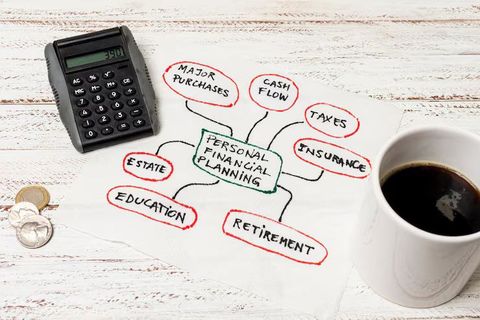
Putting those aims into how taxes are handled builds a fuller picture of money management. When goals shape tax choices, the whole plan fits together better. A person might find their savings shift once priorities guide decisions. Taxes, when lined up with targets, can reflect what matters most. This way, handling cash becomes less about rules and more about direction.
Understanding Eligible Deductions
Not every cost counts, yet some do lower what you owe. When rules say yes, certain spending slips into calculations. That shift happens because laws define what fits inside the box.
One reason people need to check today's laws first? Tax details shift across borders, also years. Rules where you live might not match those elsewhere, even last year’s version. Staying up to date helps avoid missteps when handling money matters.
Investment-Based Deductions
Some investments held for years could lower your taxes, if rules in your area allow it. Whether that applies depends on where you live and how laws are written right now.
Money put aside today might grow while also building a safer tomorrow.
Insurance and retirement contributions
Some retirement savings and specific insurance payments can count as deductions in various tax setups. Whether they do depends on local rules that allow such costs to reduce taxable income. Not every plan qualifies - only those meeting official criteria get included. Rules differ across countries, yet the idea stays similar: ease the tax load by recognizing future security efforts. What counts often reflects a balance between encouraging saving and limiting revenue loss.
With these tools, saving becomes a steady habit, helping people plan far ahead. A regular routine builds around them, shaping how money moves over time.
Education and housing benefits
Where rules allow, people might get tax breaks for things like school costs, mortgage payments, or certain personal spending. Not every place offers these perks, yet some do when conditions are met.
Who qualifies depends on the tax rules that apply plus your own situation.
Strategic Financial Planning
Starting early helps. Tax moves fit better when tied to how you handle money overall.
Some financial planners see tax choices as part of bigger money decisions, not something set apart. One blends them together because it shapes how people manage their finances day to day. It matters less when you pay attention only at deadline time. Thinking ahead weaves taxes into saving, spending, even retirement steps. This way feels more natural than treating it like a yearly chore.
Budgeting and Cash Flow Management
Starting with clear numbers makes it easier to see where money comes from, while also showing exactly where it goes each month. What matters most is tracking every dollar, because without that, spending can drift off course unexpectedly.
Effective budgeting supports:
- Better financial organization
- Improved savings habits
- Stronger cash flow management
- More informed financial decisions
Together, budgeting plus tax planning streamlines how money gets handled. Efficiency grows when both move in step.
Investment Planning
Building wealth over time often ties closely to putting money into investments.
Putting money into different areas can help match your goals once you think about how much risk feels okay, how long you plan to save, maybe what taxes could do along the way too.
Looking at your investments now and then helps you choose wisely when markets shift. Not every moment stays the same, so checking in makes choices clearer later on. When things change outside, knowing what you hold matters more than guessing. Staying aware means reactions come from knowledge, not surprise.
Financial Planning Across Life Stages
Money matters shift as years pass. Life's phases bring new ways to see value. Early on, saving feels distant. Later, stability starts to matter more. Goals adjust without warning. Needs transform quietly over time.
Early Career Professionals
Starting out, many people shape routines around money that stick. Early choices quietly build how they handle finances later. Habits formed now tend to last years ahead. New workers learn by doing, slowly adjusting what works. Small steps today lay groundwork without much fanfare. Practice matters more than perfect plans at this stage.
Putting money aside for surprises comes first for many people. Saving for life after work matters just as much. Building ways to grow wealth slowly shapes up over time.
Families
Most households juggle several money demands at once - college savings often share space with rent payments, medical costs pop up without warning, while setting aside cash for later years adds another layer. A parent might stash a few dollars weekly even when bills pile high. Saving feels slow sometimes, yet skipping it risks more stress down the road. Unexpected repairs or sudden illness shift priorities fast. Planning ahead isn’t perfect, but ignoring it leaves little room when trouble comes.
Putting money matters in order makes handling what's important easier.
Retirement Planning
Retirement readiness starts well before the finish line, shaped by steady choices over years. Sticking to a clear money plan builds stability, slowly creating space for future freedom.
When life shifts, checking retirement goals now then keeps plans on track. Money changes happen slow sometimes fast so tweaking targets matters just enough.
Common Tax Planning Mistakes
Some folks mess up their money plans without even realizing it. Mistakes that could easily be skipped often get in the way. Planning goes sideways when small errors pile up unnoticed. Simple slips chip away at what could work well. Results suffer, not because of big flaws, but repeated oversights. What seems harmless may quietly weaken outcomes over time.
Waiting till the last months to think about taxes happens a lot. That timing tends to shrink the options that could have been used.
Besides poor tracking, some keep half-finished money logs. Neat paperwork makes taxes easier while boosting forecast precision.
Not everyone sees past quick tax breaks to what matters down the road financially. A few get stuck on today’s savings, missing the bigger picture later on. What looks good now might not align with where they need to be years from now. Focusing only on cutting taxes fast can quietly shift attention away from lasting stability. Gains in April could cost more by retirement.
Most times, juggling immediate goals alongside future plans leads to better money results. Sometimes mixing today's targets with tomorrow's vision builds sturdier finances.
Digital Tools for Tax Planning
Faster tools now help people manage money with less hassle. Computers keep track of budgets clearly, without confusion. Through screens, anyone can check savings anytime. Digital steps guide choices quietly behind the scenes. Online access opens doors once locked tight.
Year round, people use online money apps to watch their pay come in. These tools sort files without needing paper piles around. Watching stocks grow becomes simpler with alerts that update automatically. Getting ready for taxes feels less messy when numbers stay tidy inside secure systems.
Some money tools today come packed with extras like these
- Digital expense tracking
- Investment monitoring
- Financial reporting
- Budget management
With these tools, handling money matters becomes clearer while choices gain better backing. A single step toward order can quietly shape smarter moves ahead.
Income Tax Planning Future Trends
Financial planning continues to evolve alongside technology.
Faster decisions come from machines learning patterns in money matters. Tools that guess future needs now adjust on their own. Software handles taxes without piles of paper. Smarter forecasts show up before problems do.
Decisions shaped by personal money patterns now pop up more often, thanks to tailored advice that fits someone's unique goals over time. What matters most? Seeing numbers through a lens built just for you. Long-range plans gain clarity when details about income, spending, and targets line up naturally. Insights fine-tuned to individual paths help avoid generic guesses. Picture guidance that shifts as life does - responsive, precise, never one-size-fits-all.
Fresh rules keep appearing. Tech shifts happen fast. Because of that, getting ahead on taxes will matter more inside smart money choices. Planning early won’t just help - it’ll shape how people manage what they’ve got.
Better Ways to Plan Your Taxes
Staying steady beats rushing at the end. How you handle things early shapes what happens later. Small choices add up when repeated. Waiting until the deadline brings more stress than savings. Regular effort pays off without drama.
Simple practices can improve financial organization throughout the year.
- Review income and expenses regularly.
- Maintain organized financial records.
- Evaluate investment strategies periodically.
- Understand available deduction opportunities.
- Align tax planning with long-term financial goals.
Sticking to these routines builds a clearer picture of money matters while shaping choices with greater ease. A steady practice slowly sharpens judgment, quietly guiding each move without force or fuss.
Conclusion
Most people overlook how daily money choices shape their taxes. Yet looking ahead beats scrambling every April. Picture your paycheck - not just what lands in bank but where it flows before that. Smart steps today mean fewer headaches later. Think beyond write-offs; consider goals stretching years forward. A move now might ease next season’s burden. Planning fits around life, not the reverse. Numbers matter less when purpose drives each decision.
Starting with clear steps around taxes, people find steadier ground when they stick to regular money tracking instead of waiting for problems. When saving habits link directly to spending plans, results tend to improve without needing complex rules. Staying ahead means watching details early rather than reacting late. Over time, small choices shape bigger outcomes more than big decisions do. Following through consistently matters far beyond just knowing what to do.