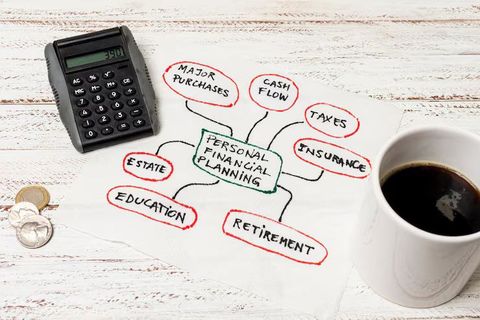
Childcare Budgeting Explained: Smart Family Expense Planning & Savings Strategies
Childcare budgeting is the process of planning and managing household finances related to child care, education support, daily family needs, and long-term child-related expenses. Families often create childcare budgets to organize spending, track recurring expenses, and prepare for changing financial responsibilities as children grow. Childcare costs can include daycare, school supplies, transportation, healthcare, meals, clothing, extracurricular activities, and emergency care planning.
These days, keeping track of money at home looks nothing like it did before - costs climb faster, cities grow busier, more families rely on two paychecks, also schooling demands stretch budgets further. Tools found online now guide how people watch their cash flow each month instead of old paper ledgers or memory-based estimates. Watching children turns into a number game tied tightly to saving goals, weekly choices, future plans shaped by today’s trade-offs.
One family might plan spending around how many people live there, where they are located, and who earns what. Yet another could shape their finances depending on job hours plus whether kids stay with grandparents after school. Not every parent sends children to a center during the day - some line up care with cousins or adjust shifts at work instead. Home life often guides money choices just as much as paychecks do.
Importance
Most parents find that handling child costs gets easier when they map out money moves ahead of time. A clear plan cuts confusion, making daily choices clearer. When numbers are tracked, surprises happen less often. Some see shifts right away; others notice changes slowly. Knowing where dollars go builds confidence over weeks. Planning ahead means fewer tough talks at month's end. It’s not about strict rules - more like steady guidance that fits family rhythm.
Managing Household Expenses
Now here comes the tricky part - handling weekly expenses while making sure kids are cared for. Figuring out where money goes each month brings clarity, sometimes even relief. One thing leads to another when tracking groceries, utilities, plus school fees. Staying aware means fewer surprises down the road. What matters most shows up after a few weeks of steady recording. Not every cost feels predictable, yet patterns start forming. Watching these shifts helps make smarter choices without pressure.
Common childcare-related expenses include:
Spending on daycare helps cover child care plus learning costs - track it each month. What goes into feeding a family shows up under food budgets - plan meals ahead. Doctor appointments fall under health spending - keep funds ready for surprises. Getting around town includes school trips - schedule fuel use wisely. Buying clothes matches changing seasons - set aside cash when needed.
Beyond just noting expenses, keeping tabs on these groups brings clarity to household budgeting. Families find it easier to follow their spending when each type is recorded separately.
Planning Ahead for Future Family Requirements
As kids grow, their money needs shift - school start dates, music lessons, doctor visits, or new bus routes can reshape household costs. When plans adapt slowly, family budgets handle these shifts more smoothly.
Long-term planning may include:
- Education-related savings
- Emergency fund preparation
- Seasonal spending adjustments
- Transportation planning
- Activity and event budgeting
Households stay steady when plans are clear. Money moves with less stress if steps come first. Stability grows where budgets lead.
Reducing Financial Stress
When kids need sudden care, money plans might wobble without backup. Some households set up tracking methods to handle surprise costs - doctor visits, shifts in schooling, short-term supervision setups show up out of nowhere.
Budget awareness may help with:
- Tracking monthly spending
- Monitoring recurring bills
- Managing household priorities
- Identifying unnecessary expenses
Financial organization can support more predictable household management.
Smart Family Budget Planning
Budgeting well at home means shaping daily costs around what matters most to your people, handling kid duties without stress, while quietly building toward tomorrow's targets.
Monthly Family Budget Setup
Starting out, plenty of households jot down what they earn each month alongside regular bills. That way, it becomes clear where cash goes - like keeping kids cared for, making sure basics are covered. From there, choices get clearer without extra noise.
Budget categories may include:
- Housing and utilities
- Childcare and education
- Transportation
- Healthcare
- Groceries and household supplies
- Savings contributions
Monthly reviews can help families monitor changing expense patterns.
Tracking Variable Expenses
Month by month, what you spend on child care might shift when school events come up, health visits happen, or weather changes gear. Keeping an eye on these shifting costs helps keep money stress at bay.
Examples of variable expenses include:
- School events
- Sports or activity fees
- Clothing purchases
- Holiday spending
- Medical appointments
Tracking costs often involves tools like apps or spreadsheets made for the task. While some prefer digital helpers, others stick to simpler formats that organize spending clearly. Each method handles details differently but aims for the same result.
Emergency Fund Planning
Out of nowhere, some money advisors suggest keeping a stash for surprises. When mapping out child costs, folks might face sudden pay shifts - maybe health troubles pop up, or the car dies without warning.
Emergency planning may involve:
- Separate savings accounts
- Monthly emergency contributions
- Household contingency planning
These strategies support financial preparedness.
Sharing Family Duties
When kids need looking after, costs might split among several adults at home. Talking clearly plus keeping tabs on money matters makes sharing duties smoother. What happens next depends on how well everyone stays in step.
Shared planning may involve:
- Expense-sharing arrangements
- Joint budgeting tools
- Digital payment tracking
- Scheduled financial reviews
Savings Strategies
Most households set aside money to cover later costs, especially when looking after young kids. A plan for saving often fits around daily care duties.
Education Savings Planning
Now here's a twist - families often set aside money over years, aiming it at schooling down the road. Depending on how much they earn, what kind of learning matters most, or where they live, their method changes shape quietly.
Common planning methods include:
- Monthly savings contributions
- Education-focused savings accounts
- Structured financial goals
Spreading costs out happens when future steps are mapped early.
Lowering Extra Home Expenses
Now here's a shift - tightening up monthly costs usually means going through receipts one by one. A tweak today, maybe skipping that weekly subscription fee, might actually line up with next year’s plans. Some find it helps just to pause and check what slips out each month without notice.
Examples may include:
- Reviewing subscription usage
- Planning grocery purchases
- Monitoring utility consumption
- Comparing transportation options
Monthly spending might stabilize with these tweaks. A shift here, a change there - small steps often add up quietly.
Digital Budgeting Tools
Some families rely on apps instead of spreadsheets to manage child-related expenses along with long-term saving plans.
Common features include:
- Expense categorization
- Bill reminders
- Savings tracking
- Financial summaries
- Spending alerts
Fine details of money tracking? Easier when handled through online apps. Paper trails shrink once digital steps take over.
Seasonal Financial Planning
When school sign-ups roll around, costs tied to child care tend to climb. Holiday stretches bring higher tabs too. Seasonal programs add extra charges now and then. Parents usually start setting money aside well ahead of time.
Seasonal planning may include:
- Back-to-school budgeting
- Holiday expense tracking
- Summer activity planning
- Clothing replacement schedules
Recent Updates
By 2025, managing money at home had shifted - new ways of tracking costs came into play while families adjusted how they saved for kids' needs. Digital tools shaped choices even as daily spending habits took different paths.
Growth of Financial Planning Apps
Families now tap phones more often when tracking money moves day by day. Some skip paper ledgers entirely - screens show balances shifting as purchases happen. Others find alerts help them pause before spending. A few rely on apps that sort coffee runs from rent checks automatically. Real-time updates keep some from overspending without thinking twice.
Recent developments include:
- AI-assisted spending analysis
- Automated budget categorization
- Shared household finance tracking
- Digital savings dashboards
These tools support organized financial management.
Flexible Childcare Arrangements
Now shaping how parents manage child supervision are shifts in job hours alongside mixed office-and-home setups. Instead of one fixed solution, some homes blend staying-in care with adjusted timetables along with outside help.
More Attention on Understanding Money
Folks at home might now find money basics tucked into school lessons, thanks to local groups teaming up with online learning sites. A growing number of classrooms include tips on managing a family's spending, often paired with real-life planning tasks. Some neighborhoods offer workshops where parents and kids practice budgeting together, using tools that feel familiar. Digital apps have started mirroring these ideas, turning monthly bills and savings goals into clickable routines. Even without formal classes, households can stumble upon guidance while browsing educational websites after dinner.
More Places Accept Digital Payments
Families now handle babysitter costs, tuition fees, school trips, and daily spending plans more through apps than cash. Tools on phones shift how parents track what goes out each week. Money moves quicker when typed instead of counted. Screen taps replace envelopes stuffed with bills. What once filled folders now lives behind passwords and login screens.
Laws or Policies
How families manage childcare costs can shift based on local rules, taxes, or help from public services - location changes what's possible. Government choices shape what parents pay, yet family aid varies where they live. Taxes might ease expenses here, while support systems differ there. Rules in one place do not apply somewhere else. Where you are affects how much care costs and who helps cover it.
Childcare Assistance Programs
From time to time, certain nations offer help with money for things like looking after young kids or getting them ready for school. Help might also come through services meant to strengthen family life when needed.
Programs may include:
- Childcare subsidies
- Education support programs
- Family tax benefits
- School meal assistance
Depending on where you live, the rules might change. Households face different conditions based on their situation.
Tax and Financial Rules
Not every place handles child care costs the same way when it comes to taxes or budget rules. Sometimes those bills tie into official paperwork. Where you live can change how much say you have over deductions. Rules shift depending on the area, making one family’s benefit another’s extra form. Money spent on kids might count later during filings. What feels like a personal choice could actually follow legal patterns behind the scenes.
These may involve:
- Dependent-related tax benefits
- Education-related deductions
- Family financial assistance programs
consumer protection meets banking rules
Fresh off the digital shift, budget tools follow rules meant to guard money details like traditional banks do. While built different, these apps still answer to laws that shield user privacy just the same.
Tools and Resources
Several digital resources support childcare budgeting and family expense planning activities.
Budgeting Applications
Folks at home often turn to money apps so they can sort expenses while keeping an eye on where things stand. Each setup helps track what goes out, layer by layer.
Features may include:
- Expense tracking
- Savings monitoring
- Shared family budgeting
- Financial reminders
Spreadsheet Templates
A few families go with spreadsheets when they want control over tracking spending. These tools help sort out bills while keeping money details clear. Custom layouts make it easier to watch income alongside costs. Working numbers this way fits how some people think. Records stay put without needing extra apps.
Banking and Payment Platforms
Families handle regular childcare costs through online banks, also using digital wallets for daily spending. Tools like these simplify tracking payments at home.
FAQs
What is childcare budgeting?
Putting money aside for kids' needs means planning how to pay for things like school, doctor visits, getting around town, care during work hours, plus everyday costs at home. How families manage these payments shapes their monthly spending choices. Some track each cost carefully; others set a fixed amount early. The goal stays clear: balance what children require with what parents can afford. Decisions here affect groceries, outings, even savings down the line.
Why is smart family expense planning important?
Budgeting wisely at home means watching how money goes out. Households that plan ahead face big bills without surprise. Raising kids brings costs - knowing them early makes a difference. Some families adjust monthly habits just by seeing patterns. Others save slowly, building room for emergencies. Thinking ahead often eases stress later on.
What are common childcare-related expenses?
Daycare bills show up every month, while school stuff piles up before classes start. Getting around town adds expense when kids need rides. Doctor visits matter just as much as filling the fridge does. Outfits wear out fast, which means shopping again sooner than expected. After-school programs take cash too, especially if they happen weekly.
How can savings strategies support family budgeting?
When life brings big bills or surprise costs, smart saving helps families stay steady. Through careful tracking of income and shifts in spending, households manage what comes each season. Staying aware of money patterns keeps plans clear, even when times change.
Which tools help with childcare budgeting?
Tracking child costs often happens through apps made for budgets. Spreadsheets help some families plan ahead. Bank websites let parents watch money move in real time. Digital trackers record spending without paper trails.
Conclusion
Most families keep track of childcare costs because money plans matter at home. When parents sort regular bills ahead of time, surprises feel less stressful later on. Tools that live inside phones help watch where cash goes each week. Looking closely at spending every month builds clearer habits over time. Rules made by officials sometimes shift what care will cost next year. How people handle payments online changes slowly with new updates and needs. Even small shifts in routine can reshape what feels affordable. Staying aware of numbers means fewer late-night worries about bills. Over years, steady tracking keeps homes feeling more balanced.
Just so you know - what follows about budgeting and handling money is meant to share ideas, nothing more. It isn’t official guidance from a finance pro or counselor. Talk to someone certified if you’re thinking of acting on it. Outcomes depend on your situation; none of this comes with guarantees. Whoever wrote this won’t be held accountable how things turn out.