Budgeting in Your 30s Explained: Smart Money Management & Long-Term Financial Planning
Budgeting in your 30s is the process of organizing income, expenses, savings, and financial priorities to support both current needs and future goals. For many people, this decade brings important life changes such as career growth, marriage, raising children, purchasing a home, or managing larger financial responsibilities. As a result, money management often becomes more complex than it was during earlier years.
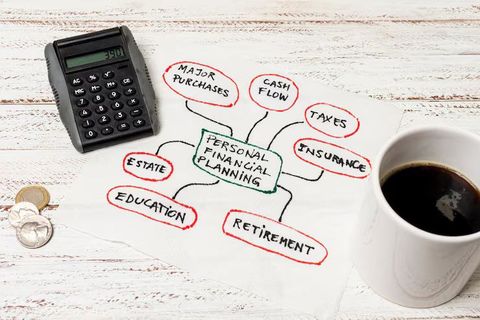
Money moves become clearer when a plan shows what comes in and where it goes. Not just tracking bills each month, handling cash in your thirties usually means thinking ahead - saving for later years, learning costs, surprises, coverage, big changes in life.
Most people think saving means spending less. Yet choices matter more than cuts alone. Juggling today’s needs alongside tomorrow’s goals shapes smarter outcomes. Over time, paychecks shift, life gets heavier, plans adapt. Decisions made early ripple forward quietly. Stability grows from repeated moves, not one big leap. What works now may fail later - adjustments keep things on track.
Importance
Midway through adulthood, choices around money start to carry more weight. Though bills pile up, setting aside cash today shapes what comes later. Instead of waiting, some begin shifting habits - quiet moves that add up. Life expands here: careers deepen, families grow, costs rise. Still, small routines with savings build space for what matters down the road.
Handling More Money Tasks
Thirty-something life often brings heavier money demands. Bills for a home start piling up, while kids add daily costs. Getting around town eats more cash than before. Protection through policies becomes harder to ignore.
Common financial priorities include:
- Housing and utility expenses
- Family and childcare needs
- Education planning
- Emergency savings
- Insurance coverage
- Retirement contributions
Putting money into set categories might make it easier to handle what you owe. What matters is sticking to the plan without surprise shifts.
Building Financial Stability
When life throws a curveball - like a doctor's bill or a broken-down car - it hits the wallet hard. Savings set aside ahead of time soften those blows, thanks to steady budgeting done earlier.
Financial stability often depends on:
Rainy day funds help when surprises hit. Peace of mind grows over time if you plan ahead. Setting money aside later means more stability down the road. Cash flow gets easier once debts are under control. When bills aren’t piling up, breathing room appears. Shielding your worth matters just as much as growing it. Bouncing back from shocks becomes possible with preparation. Future dreams gain ground through steady investing. Staying covered protects what you’ve built so far. Money working today can multiply well into tomorrow.
Importance tends to grow here as someone moves through their thirtieth decade. Yet shifts happen quietly, without announcement or fanfare.
Supporting Future Goals
Years stretch ahead, shaping how people save for what matters most. A plan gives direction, guiding money choices without losing grip on regular bills. Instead of reacting, there is movement - steady, quiet steps aligning today’s spending with tomorrow’s hopes. Numbers settle into place, not because they must, but because thought came first.
Examples of long-term goals include:
- Home ownership
- Children's education planning
- Retirement preparation
- Business development
- Travel and lifestyle goals
Over months or years, keeping a steady handle on money lets people see how close they are to hitting their goals.
Smart Money Management
Spending habits reveal where money really goes each month. Debt stays manageable when payments are planned ahead of time. Savings grow quietly but steadily with regular deposits. Choices about cash work better if they come after thought, not impulse.
Tracking Income and Expenses
Each month, knowing where your money goes builds better control over finances. When you watch what comes in alongside what goes out, patterns start showing up - revealing what truly matters in how funds are used.
Among those often monitored are:
- Housing
- Transportation
- Food and groceries
- Insurance
- Savings
- Entertainment
- Healthcare
Spending habits often reveal themselves when costs are checked each week. Where money goes becomes clear after a few months of steady logging. Patterns show up - some worth changing once seen. Watching numbers closely makes shifts easier to spot over time.
Creating a Balanced Budget
Spending matches income when basics, future plans, and extras each get their share. What that looks like changes from person to person, shaped by needs and aims.
Most ways to manage money look at:
- Essential living expenses
- Financial obligations
- Savings contributions
- Personal spending
A working plan must fit how money actually flows each month. What matters most comes down to what's possible today.
Managing Debt Responsibly
Thirty years in, handling what you owe usually matters more than before. Payments on houses or studies might shape how money moves each month. When bills pile up, breathing room shrinks without notice. Credit lines open doors yet sometimes pull harder than expected.
Responsible debt management may involve:
- Making payments on schedule
- Monitoring outstanding balances
- Avoiding excessive borrowing
- Reviewing interest obligations
Over time, handling what you owe well opens up room to move financially.
Building Consistent Savings Habits
Putting money aside often adds up more than you think. A steady habit beats waiting for big wins when getting ready for what comes next.
Money set aside usually falls into types like these:
- Emergency funds
- Retirement accounts
- Education planning
- Home-related goals
- Major purchases
Most people stick to saving when their money moves without them thinking about it.
Long-Term Financial Planning
Looking ahead means lining up tomorrow’s money moves without shaking today’s balance. A steady path grows when each step respects what comes before it.
Emergency Fund Development
A sudden loss of income? That’s where a reserve of cash steps in. Most smart money approaches suggest keeping funds ready - just in case life shifts without warning.
Emergency funds may be used for:
- Medical expenses
- Home repairs
- Vehicle maintenance
- Temporary income interruptions
When crisis hits, these resources help avoid loans. Money set aside means less need to borrow under pressure.
Retirement Planning
Later years tend to spotlight saving for later life, especially once someone hits their thirties. Time stretches out ahead, opening space where money might grow little by little. With patience, those early moves can quietly build strength. Years add up, turning small steps into something steadier. Starting earlier means numbers work slower but longer.
Retirement planning considerations include:
- Contribution consistency
- Investment diversification
- Long-term financial objectives
- Future lifestyle expectations
When life shifts, checking plans now then keeps them on track. A fresh look every so often means choices still fit how things really are today.
Insurance and Risk Management
Starting with health, bouncing to a home’s safety, then shifting toward lost wages or supporting loved ones - planning around insurance shapes how people handle money threats. What comes after depends on what life throws next.
Common insurance categories include:
- Health insurance
- Life insurance
- Property insurance
- Vehicle insurance
- Disability coverage
Insurance needs often change as financial responsibilities increase.
Investment Planning
Most people weave investment planning into their bigger money picture over years. Depending on how much risk someone accepts, what they aim to achieve financially, or how soon they need funds, picks differ. Sometimes calm options win; other times bolder moves make sense - timing shapes decisions heavily.
Important considerations include:
- Diversification
- Risk management
- Investment timelines
- Financial objectives
Now and then, life shifts - so do the ways people plan where to put their money.
Recent Updates
Starting around 2024, shifts began reshaping how people handle money plans stretching into the future. By mid-decade, new patterns quietly altered the way budgets take shape over time.
Increase in digital budgeting tool usage
Nowadays, money apps add more tools so people can follow where cash goes, keep an eye on saving targets, while checking how accounts move.
Popular capabilities include:
- Automated expense categorization
- Goal tracking dashboards
- Spending alerts
- Financial reporting tools
These tools help individuals manage financial information more efficiently.
Growing Focus on Financial Education
These days, a growing number of folks want to learn how to manage money - things like budgets, debts, saving for later years. Because internet classes popped up everywhere, nearly anyone can take part, no matter their age.
More ways to save automatically added
Nowadays, banks plus online services offer tools that move money into savings automatically. These features help people set aside cash without thinking much about it. Over time, small transfers add up quietly in the background. Some systems adjust amounts based on spending patterns. Others kick in right after payday. What matters is showing up regularly, even in tiny ways. Behind the scenes, routines take shape without effort. Money finds a home before you spend it elsewhere. Slow shifts today build room for later choices.
More Focus on Getting Ready for Emergencies
Facing shaky times lately, families have turned toward building up emergency funds - making room in budgets to stay steady when surprises hit. Instead of spending freely, they tuck money away just in case things get rough down the line.
Laws or Policies
Tax laws shape how people plan their money over time. Retirement systems play a role, too, steering choices years ahead. Banking rules quietly guide savings habits instead of freedom. Consumer protections add another layer, limiting risk through oversight.
Tax Regulations
Nowhere is the impact of tax rules more clear than in how people save, invest, or prepare for later life. Depending on where you live, what kind of money you earn, or which accounts you use, taxes might shape choices in quiet but powerful ways.
Retirement Programs
Across the globe, nations set up structures helping people save for later years. Some workplaces offer schemes where money goes aside regularly. Others rely on government-backed setups ensuring income when work ends. Personal funds tucked away privately also play a role here.
Consumer Protection Policies
Banks usually have to stick to rules that keep things clear for customers when sharing info or handling accounts. These guidelines help make sure people understand how their money is managed.
BANKING AND FINANCIAL REGULATIONS
Because of banking rules, the money system stays steady. These guidelines shape savings options through conditions set by lenders. Lending tools change when policies shift. Investment setups respond quietly behind scenes.
Tools and Resources
Several tools and resources can support budgeting and financial planning activities.
Budgeting Applications
Tracking money becomes easier when software shows where it goes, sorts purchases by type while displaying progress toward saving targets using visual tools built into apps.
Financial Calculators
Online calculators can assist with:
- Retirement projections
- Savings growth estimates
- Loan repayment calculations
- Emergency fund planning
By using these tools, a person can see what might happen with their money. Different outcomes become clearer when explored through such methods.
Spreadsheet Templates
Some folks set up their money plans using ready-made spreadsheets that fit personal needs. These layouts adjust easily, matching various pay amounts or savings targets. A sample might begin tracking wages, then shift toward expenses by week's end. Flexibility shows up when changes happen - like extra costs appearing suddenly. What matters most? Staying clear about where funds move each month. Design tweaks help keep numbers honest without starting fresh every time.
Educational Financial Resources
Start smart when you explore money topics online. Websites about finances often explain how to manage income step by step. Some guides show ways to set aside cash without stress. Others break down choices for growing wealth slowly. Publications sometimes highlight what happens years later if plans stick. Learning ahead helps avoid surprises down the road.
FAQs
Why is budgeting in your 30s important?
Starting in your 30s, budgeting handles rising costs - while quietly building savings. Money plans at this stage open space for retirement thoughts - alongside bigger life targets. Handling cash now means later stability grows without shouting about it. Financial steps taken here support future choices - not just immediate relief. Planning carefully lines up with longer timelines, simply because time shifts meaning.
What is smart money management?
Budgeting well means watching what comes in, then matching it to spending. A person handles loans carefully instead of avoiding them completely. Setting aside cash happens regularly, not just when convenient. Choices about money tie back to what matters most in life - no surprise there.
How much should I save during my 30s?
Some people save more than others because paychecks differ, costs change, life targets shift. A typical plan might hold cash aside for sudden car trouble, tuck money toward later years, split off funds for a trip or home down the line.
What are the main components of long-term financial planning?
Putting money aside for later life often means thinking ahead about leaving work one day. A cushion for surprises might sit beside plans to cover accidents or illness. Handling what you owe could flow into choices about growing wealth over time. Sometimes a rainy-day stash leads to decisions on how cash moves forward. Protection through policies may tie into where dollars are placed today.
What instruments assist in managing money and organizing finances?
Tracking money gets easier when tools like budget apps are around. A calculator built for cash questions might show what comes next. Some people open spreadsheets made just for spending patterns. Learning about finances often clicks after using guides that explain step by step. Each piece fits differently depending on who holds it.
Conclusion
Handling money in your 30s means juggling what you need now with plans for later. Because life gets more complex, watching where cash goes becomes essential. Saving grows in importance, especially when debts are part of the picture. Instead of reacting, a clear plan helps prepare for surprises. Later years benefit when decisions today include future costs. When pay changes or bills shift, updating budgets keeps things on track. Stability comes not from luck but consistent choices over time.
Just so you know - what follows about budgeting and handling money is meant to share ideas, nothing more. It isn’t official guidance on finance or career choices. Talk with someone trained in these topics before taking steps that affect your wallet. Outcomes tied to using these thoughts? They’re on you, not the writer.