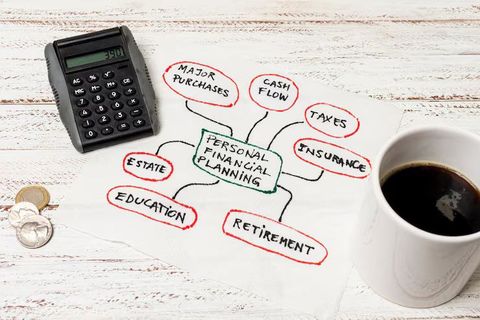
Budgeting After 50: Smart Financial Planning, Retirement Strategies & Wealth Management Solutions
Budgeting after 50 becomes an important part of long-term financial planning as individuals prepare for retirement, changing income patterns, healthcare expenses, and evolving lifestyle needs. At this stage of life, many people focus on balancing current financial responsibilities while building resources for future financial security. Effective budgeting helps organize income, expenses, savings, investments, and retirement goals in a structured way.
Later in life, money choices shift gears. Instead of chasing job promotions or buying houses, those hitting 50 tend to zero in on saving for retirement, cutting debts, mapping out health costs, and handling what they’ve saved. Getting clear on income sources helps shape smarter daily spending. Goals take center stage - clear ones, based on actual numbers. Ahead lies a phase where budgeting matches purpose more closely.
Most people check how their savings grow by using retirement plans along with tools that track money put into stocks or funds. When life throws unexpected costs, these methods shift focus toward long-term choices instead of quick fixes. Looking ahead becomes easier when moves are guided by steady review, not sudden impulses. Plans like these replace guesswork with consistent oversight. The goal stays clear: balance today's needs while keeping tomorrow in sight.
Importance
Later in life, handling money well becomes key - choices now shape how secure retirement might feel. Picture where cash comes from, where it goes, what waits ahead: a clear layout makes that visible. Seeing the full picture helps avoid surprises later on.
Preparing for Retirement
After hitting 50, a lot of people start taking retirement plans more seriously. Because tracking spending gives clarity, it shows if today’s savings match tomorrow’s needs.
Most times you will see checks happen here:
- Retirement account balances
- Monthly living expenses
- Healthcare planning
- Emergency savings
- Housing-related expenses
Looking ahead, periodic check-ins offer a clearer picture of shifting money situations. A person might spot trends simply by revisiting numbers now and then. Over months, small updates add up - revealing patterns once hidden. Revisiting balances every so often makes future shifts easier to grasp. Time passing brings changes; keeping track helps make sense of them.
Handling Shifts in Money Goals
Later years before retiring can bring changing money concerns. Paying off a home might finish for some, whereas helping relatives could come up for others. Medical costs sometimes take center stage, shifting how funds are used month to month.
Common financial priorities after 50 include:
Financial Area. Retirement Savings. Healthcare Planning. Debt Management. Investment Review. Estate Planning
One thing might shape how money gets set aside, while another could shift long-term saving approaches. Budget choices often bend under different pressures, depending on what's happening behind the scenes.
Maintaining Financial Flexibility
When life throws surprises - like job shifts, health bills, or sudden market swings - plans can wobble. Sticking to a clear budget keeps room to adjust without falling off track.
Financial flexibility may involve:
- Maintaining emergency reserves
- Reviewing discretionary spending
- Monitoring debt levels
- Evaluating insurance coverage
When saving for later life, small steps might make tough times easier to handle.
Smart Financial Planning
Budgeting well means matching what you earn with what you spend, setting aside cash regularly while keeping future targets clear. Though goals shift over time, balancing today's needs against tomorrow's plans shapes smarter money habits slowly. Reality checks matter most when paychecks feel tight yet dreams stay big without warning. Staying grounded helps more than chasing quick wins ever could.
Tracking Income and Expenses
Most people start budgeting by getting clear on their cash flow. When income lines up with what goes out each month, choices tend to make more sense.
Income sources may include:
- Employment earnings
- Pension payments
- Investment income
- Rental income
- Retirement account withdrawals
Tracking what you spend shows where money goes each month while highlighting spots that might need change. A closer look often reveals patterns forming over time instead of one-off purchases adding up slowly.
Building Emergency Savings
After fifty, setting aside cash still matters. When surprises come up, having funds ready keeps retirement goals on track - no need to borrow or cut back elsewhere.
Common uses for emergency funds include:
- Medical expenses
- Home repairs
- Vehicle maintenance
- Temporary income interruptions
A person's situation shapes how much they should keep saved. What matters most depends on their bills and personal needs.
Managing Debt
Most people aim to clear high-interest debts before retiring. With less owed, managing money later can feel easier. Fewer payments ahead might open up room in the budget. Stress around finances could shrink when balances drop.
Debt management strategies may involve:
- Reviewing outstanding balances
- Prioritizing repayment plans
- Monitoring interest obligations
- Avoiding unnecessary borrowing
Income first shapes what’s possible - assets follow close behind. Decisions shift once goals enter the picture. Every case bends differently under these three weights.
Reviewing Insurance Coverage
Later in life, handling insurance might shape how money is managed past age fifty. Looking back at old policies becomes common, so protection fits what matters now.
Most times you will see checks happen here:
- Health insurance
- Life insurance
- Property insurance
- Long-term care considerations
Life changes shape what kind of coverage makes sense. Money goals guide choices just as much as daily needs do. A person's stage in life often quietly sets the pace for policy picks.
Retirement Strategies
Later on, money plans give people a way to get ready for what they’ll need. Ways to save now can cover costs once work ends. Some steps today handle later bills and living expenses. Getting set early means fewer surprises down the road.
Estimating Retirement Income
Most people figure out what they’ll earn after work ends, then check it against how much they plan to spend. One way starts by listing pensions or savings paychecks. Another looks at monthly bills coming down the road. Some track Social Security amounts early. Others wait until closer to leaving their jobs. Matching money in with money out happens at different times for everyone. What matters is lining up numbers before the paycheck stops.
Potential retirement income sources include:
- Pension benefits
- Retirement savings accounts
- Investment income
- Government retirement programs
- Part-time employment income
Getting numbers right makes it easier to plan how money will stretch when work ends.
Investment Portfolio Review
When retirement gets closer, people often look again at how they’ve spread out their investments and what risks they’re taking. Depending on how much time is left, what kind of income they’ll need, or how comfortable they are with ups and downs, changes might make sense.
Investment reviews often examine:
- Asset allocation
- Diversification
- Income-generating investments
- Market risk exposure
One person’s money situation might look nothing like the next, so looking at details matters. What works for some could miss the mark for others entirely.
Healthcare and Future Decisions
Later on, health costs might take up more of your budget. Thinking ahead during retirement prep often means looking at future doctor bills along with possible extended care down the road.
What needs thinking about might involve:
- Healthcare coverage
- Prescription expenses
- Long-term care options
- Emergency medical reserves
These factors can influence overall retirement budgeting decisions.
Estate and Legacy Planning
Ahead of time, sorting out your finances can make things clearer later on - especially when it comes to who handles what. Sometimes a plan shows where belongings might go without confusion down the road.
Common estate planning elements include:
- Wills
- Beneficiary designations
- Trust structures
- Financial documentation
Family needs shape how people plan their estates, while money goals also play a role. Not everyone follows the same path when arranging these details.
Wealth Management Solutions
Starting out, wealth care means lining up your money pieces while keeping an eye on where they grow. A steady path unfolds when choices today shape what comes later financially. Tools show up beside plans that track value shifts across time. Some methods stick around helping balance risk with future needs quietly. What matters often hides behind consistent steps taken early.
Asset Monitoring
Over time, watching things closely shows how what you own and owe shifts. Checking in now and then might mean looking at investments, property, savings for later years, or money set aside.
Watching these spots matters most:
- Portfolio performance
- Savings growth
- Debt reduction progress
- Income distribution planning
Checking things regularly keeps them on track with money plans.
Tax Planning Considerations
Now here's a fresh take on money talks during later years. Not every dollar pulled in after work stops faces the same rules when taxes come knocking.
Areas commonly reviewed include:
- Investment gains
- Retirement account withdrawals
- Pension income
- Estate-related considerations
Where you are affects the rules around taxes, also those can shift as years pass.
Diversification And Risk Management
Spreading investments across different areas lowers reliance on just one type of asset. Looking at how much risk is involved, alongside adjusting goals, shapes many wealth plans.
Risk management may involve:
- Diversified investments
- Insurance planning
- Emergency savings
- Asset allocation reviews
How someone handles money really hinges on their own situation. What works for one might not fit another at all.
Recent Updates
Lately, getting ready for retirement has taken center stage in money planning. Digital apps that track spending now shape how people manage their budgets. Living longer means plans must stretch further than before.
Growth of Digital Budgeting Tools
These days, plenty of people rely on apps to watch their expenses, keep an eye on stocks, while also handling long-term savings steps. With phones and web tools, numbers that once felt hidden now sit right there in view.
Increase Attention on Being Ready for Retirement
Older folks mean more talk about how money will stretch when work ends. Health costs creep into those chats, shaping choices down the line. Staying afloat years ahead isn’t just luck - it’s built slowly, piece by piece, through steady moves today.
More financial education tools available
Nowadays learning websites offer wider reach to tools like retirement math helpers, money planners, and finance guides made for seniors. These resources help people later in life manage what comes next without confusion or guesswork involved across steps taken slowly over time.
More Focus on Health Care Spending
Fewer years stretch ahead now that people live longer, so fitting health costs into later life takes more thought than before. Medical bills shift over time, which pushes money talks in retirement to cover what might come.
Laws or Policies
Later in life, money choices past age fifty shift because of how nations set their pension standards. Rules about taxes shape decisions just as much as guidelines on growing wealth do. Laws tied to leaving assets behind also play a role across borders. Each country draws these lines differently.
Retirement Account Regulations
When officials set boundaries on how much people save for later years, those choices shape what happens next. Rules about when money moves in or out shift the way plans unfold.
Tax Policies
When thinking about life after work, rules around taxes shape how people handle their savings, pick investments, or plan what happens to property later. Many take a close look at how taxes might affect choices they make for the future.
Consumer Protection Rules
Most banks and firms that handle investments follow rules meant to make money systems clearer and safer for people using them.
Tools and Resources
After age fifty, different apps or guides might help manage money tasks alongside thinking ahead about life when working ends.
Budgeting Applications
Tracking money becomes easier when using apps that show earnings, costs, targets for saving, plus where cash goes via online screens.
Retirement Calculators
Picture your money years ahead, shaped by what you save now, how investments might grow, then matched against what life costs when work stops. Numbers shift with choices made today - savings set aside, gains hoped for, daily spending guessed at later. These tools sketch possibilities, linking current habits to days far off, using estimates that bend with time and luck.
Portfolio Tracking Platforms
Tracking investments shows how money is split across assets, reveals shifts in returns over time, while also indicating balance within a collection of holdings.
Financial Planning Templates
Worksheets and planning templates can help organize:
- Monthly budgets
- Retirement income projections
- Asset inventories
- Estate planning documents
FAQs
Why is budgeting after 50 important?
Starting at 50, budgeting gives people a clearer picture of retirement timing - spending stays tracked, savings get reviewed regularly, while upcoming costs slowly come into view through steady planning.
What are smart financial planning strategies after age 50?
Counting every dollar spent helps spot where money leaks happen. Paying off loans slowly shrinks what you owe over time. Looking at how your cash grows in funds keeps things on track. Setting aside a cushion protects against sudden surprises. Getting ready for doctor visits or treatments fits into long-term thinking.
How do retirement strategies help with long-term financial planning?
Figuring out how much money you might need later starts by looking at your current savings. One way to check on that is seeing if what you’ve set aside lines up with where you want to be. Sometimes it makes sense to go over investment choices just to be sure they still fit. Getting ready for costs tied to leaving work often means shifting small details long before the date arrives.
What are common wealth management solutions for people over 50?
Finding ways to grow money often means checking investments, spreading them out wisely. Different paths show up when taxes enter the picture. Planning ahead for property after life ends matters just as much. Looking closely at possible dangers shapes long term choices. Watching how pieces fit together helps keep things steady.
How often should retirement and budgeting plans be reviewed?
Each year, some people take a fresh look at their money plans - especially when big changes happen. When life shifts, they adjust what they’ve set aside for later years. A job loss, new income, or family change often prompts a second glance. These moments help match current choices with long-term goals. After milestones like marriage or buying a home, numbers get rechecked. Stability feels closer when future needs reflect present reality. Reviewing now means fewer surprises down the road.
Conclusion
Later years bring shifting money needs - keeping track matters more than ever. Instead of guessing, clear methods shape how income flows alongside costs, savings goals, future moves. When health factors appear, adjusting becomes necessary rather than optional. Tools online offer guidance without replacing personal judgment. Learning step by step builds confidence over time. Decisions today echo well beyond the present moment.
Just so you know - what follows about budgeting and handling money is meant to share ideas, nothing more. It’s not a substitute for guidance from someone trained in finance or related fields. Talk with a certified specialist prior to acting on anything here. Outcomes tied to using these details fall under your own judgment. Responsibility isn’t held by the person who wrote this.