Online Banking Safety Explained: Secure Transactions, Fraud Prevention & Digital Banking Protection
Online banking allows individuals and businesses to manage financial activities through websites and mobile applications connected to banking systems. Digital banking platforms support activities such as account monitoring, fund transfers, bill payments, loan management, and transaction history tracking without requiring in-person branch visits. As internet access and smartphone usage expanded, online banking became a common part of everyday financial management.
The growth of digital banking also increased attention on cybersecurity, fraud prevention, and data protection. Financial institutions now use multiple layers of security technology to protect customer accounts and reduce unauthorized access risks. Online banking safety involves a combination of encryption systems, authentication methods, transaction monitoring, and user awareness practices.
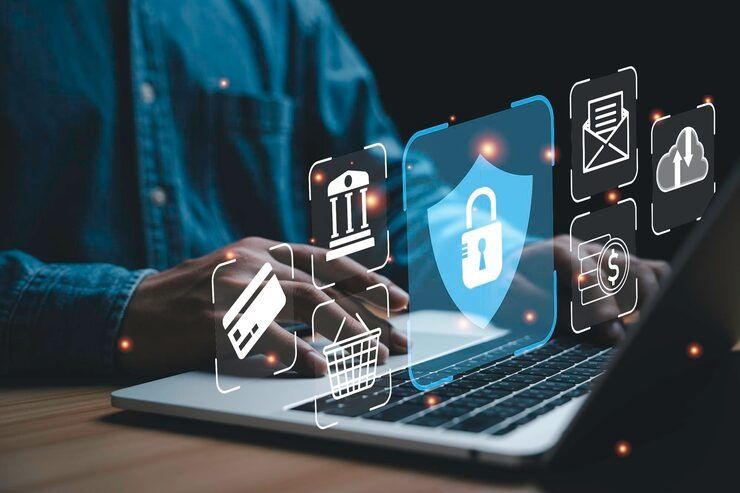
Modern digital banking protection systems are designed to secure information during online transactions and account access. These systems monitor unusual activity, verify user identity, and help reduce risks connected to phishing, identity theft, malware, and unauthorized transfers.
Common online banking features include:
- Mobile banking applications
- Digital payment systems
- Online fund transfers
- Electronic statements
- Transaction notifications
- Account security controls
Online banking safety has become increasingly important as digital financial transactions continue expanding across personal and business banking activities.
Importance
Online banking safety is important because digital financial systems handle sensitive personal information, account credentials, and monetary transactions. Fraud prevention and secure transaction systems help reduce financial risks and maintain trust in digital banking platforms.
Protection Against Unauthorized Access
Cybercriminals may attempt to access banking accounts through phishing emails, fake websites, stolen passwords, or malicious software. Banking security systems help reduce these risks through identity verification and encrypted communication.
Common protection methods include:
| Security Feature | Purpose | Function |
|---|---|---|
| Two-Factor Authentication | Identity verification | Extra login protection |
| Encryption Systems | Data protection | Secure information transfer |
| Fraud Monitoring | Suspicious activity detection | Transaction review |
| Biometric Login | User authentication | Fingerprint or facial recognition |
| Transaction Alerts | Account monitoring | Real-time notifications |
These technologies help secure customer information and financial activity.
Support for Secure Transactions
Secure transaction systems help protect payments, transfers, and online purchases processed through banking platforms. Financial institutions use monitoring tools to identify unusual transaction behavior and reduce fraud risks.
Secure banking systems support:
- Online bill payments
- Digital wallet transactions
- Mobile transfers
- International banking activity
- E-commerce payments
These protections are important as digital payment systems become more widely used.
Fraud Prevention and Financial Awareness
Fraud prevention involves both banking security systems and customer awareness practices. Users are encouraged to protect passwords, verify website authenticity, and monitor account activity regularly.
Common fraud risks include:
- Phishing messages
- Fake banking websites
- Identity theft attempts
- Malware attacks
- Unauthorized account access
Digital banking protection systems help identify and reduce suspicious activity before larger financial damage occurs.
Secure Transactions
Secure transactions are financial activities protected through encryption, authentication, and monitoring systems designed to reduce unauthorized access and data theft.
Encryption Technology
Encryption converts sensitive information into coded data during transmission between banking systems and user devices. This process helps protect account details from interception during online activity.
Encryption is commonly used for:
- Login sessions
- Payment processing
- Mobile banking applications
- Data storage systems
Most online banking platforms use encrypted communication protocols for customer transactions.
Multi-Factor Authentication
Many banks use multi-factor authentication to verify account access. Users may need to confirm their identity using multiple security steps before accessing banking services.
Verification methods may include:
- Password entry
- One-time verification codes
- Biometric authentication
- Security questions
These systems reduce the likelihood of unauthorized login attempts.
Transaction Monitoring Systems
Banks often use automated monitoring tools that analyze transaction behavior and identify unusual account activity.
Monitoring systems may detect:
- Large unexpected transfers
- Unusual login locations
- Repeated failed login attempts
- Rapid transaction activity
When suspicious activity is identified, banks may temporarily restrict transactions or request additional verification.
Fraud Prevention
Fraud prevention systems are designed to reduce financial crime and protect digital banking users from cyber threats.
Phishing Awareness
Phishing attacks involve fraudulent emails, messages, or websites pretending to represent legitimate financial institutions. These attempts are designed to collect passwords, banking details, or personal information.
Common phishing warning signs include:
- Suspicious website links
- Urgent payment requests
- Unknown attachments
- Requests for login credentials
Banks generally advise customers to verify communication through official channels.
Password and Device Security
Strong passwords and secure devices are important parts of digital banking protection. Weak passwords or compromised devices may increase the risk of unauthorized access.
Recommended security practices often include:
- Using unique passwords
- Updating mobile applications
- Avoiding public Wi-Fi for banking activity
- Enabling device security features
Regular software updates can also improve device protection.
Identity Verification Systems
Banks increasingly use identity verification technologies such as biometric authentication and behavioral analysis to improve account protection.
Examples include:
- Fingerprint recognition
- Facial recognition systems
- Device recognition technology
- Login pattern analysis
These systems help strengthen fraud prevention efforts in digital banking environments.
Digital Banking Protection
Digital banking protection combines technical security systems, operational monitoring, and customer awareness practices.
Mobile Banking Security
Mobile banking applications include built-in security systems designed to protect account access and transaction activity.
Common security features include:
- App-based authentication
- Encrypted communication
- Automatic logout functions
- Notification alerts
Mobile banking protection is important as smartphone-based transactions continue increasing.
Data Privacy and Information Security
Banks maintain data protection systems to secure customer records and financial information from unauthorized access.
Protection methods may involve:
- Secure data storage
- Access control systems
- Cybersecurity monitoring
- Network protection tools
Financial institutions also maintain internal security procedures for data management.
Digital Payment Protection
Online payment systems connected to banks use verification technologies to secure purchases and transfers.
These protections may include:
- Payment tokenization
- Fraud detection algorithms
- Secure payment gateways
- Real-time transaction analysis
Digital payment protection is important in e-commerce and mobile payment environments.
Recent Updates
Between 2024 and 2026, online banking safety systems continued evolving through artificial intelligence integration, biometric technologies, and advanced fraud monitoring tools.
AI-Based Fraud Detection
Banks increasingly use artificial intelligence systems to analyze transaction patterns and identify suspicious financial activity more quickly.
AI-related developments include:
- Automated fraud alerts
- Behavioral transaction analysis
- Predictive security monitoring
- Real-time risk assessment
These technologies help improve fraud prevention systems.
Expansion of Biometric Authentication
Biometric security systems are becoming more common in digital banking applications.
Recent developments include:
- Facial recognition login
- Voice authentication systems
- Fingerprint transaction approval
- Behavioral biometrics
These technologies support stronger account verification processes.
Cybersecurity Awareness Programs
Financial institutions continue increasing customer education related to phishing prevention and online security awareness.
Common focus areas include:
- Fake message identification
- Password protection
- Secure browsing practices
- Fraud reporting procedures
Growth of Contactless and Mobile Payments
The expansion of contactless transactions and mobile banking applications continues influencing digital banking protection systems and payment security technologies.
Laws or Policies
Online banking safety is influenced by financial regulations, cybersecurity standards, and consumer protection policies.
Data Protection Regulations
Many countries maintain regulations governing customer data security and digital privacy in banking systems.
These regulations may involve:
- Secure information storage
- Data breach reporting
- Customer consent requirements
- Digital transaction protection
Financial Fraud Regulations
Banks generally follow anti-fraud and anti-money laundering procedures designed to monitor suspicious financial activity and prevent unauthorized transactions.
Cybersecurity Standards
Financial institutions are commonly required to maintain cybersecurity systems and operational safeguards related to:
- Network protection
- Identity verification
- Transaction monitoring
- Digital payment security
Tools and Resources
Several digital tools and resources support online banking safety and fraud prevention activities.
Banking Security Applications
Many banks provide mobile applications with built-in security controls and transaction monitoring tools.
Features may include:
- Account alerts
- Login verification
- Transaction tracking
- Device management settings
Password Management Tools
Password management applications help users organize secure login credentials and reduce password reuse risks.
Credit and Fraud Monitoring Platforms
Some financial monitoring systems help users review account activity and identify unusual transactions or identity-related concerns.
FAQs
What is online banking safety?
Online banking safety refers to the systems and practices used to protect digital banking accounts, financial transactions, and personal information from unauthorized access and cyber threats.
How do banks protect secure transactions?
Banks use encryption, authentication systems, transaction monitoring, and fraud detection tools to secure online financial transactions.
What are common online banking fraud risks?
Common fraud risks include phishing attacks, identity theft, fake banking websites, malware infections, and unauthorized account access attempts.
Why is two-factor authentication important in digital banking protection?
Two-factor authentication adds an extra security step during login or transaction approval, helping reduce unauthorized access risks.
How can users improve online banking safety?
Users can improve online banking safety by using strong passwords, enabling security alerts, avoiding suspicious links, and monitoring account activity regularly.
Conclusion
Online banking safety is an important part of modern financial systems and digital transaction management. Secure transactions, fraud prevention technologies, and digital banking protection systems help reduce cyber risks and protect customer accounts. Banks use encryption, authentication tools, biometric verification, and transaction monitoring to improve online security. Recent developments in artificial intelligence and cybersecurity awareness continue influencing digital banking protection strategies. Financial regulations and data protection policies also shape how online banking platforms manage customer security and fraud prevention efforts.
Disclaimer - This content on Budgeting & Money Management is for informational purposes only and does not constitute financial or professional advice. Please consult a qualified expert before making financial decisions. The author is not responsible for any outcomes resulting from the use of this information.